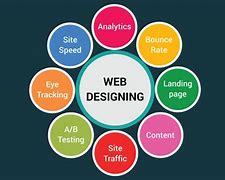
Successful digital transformation driving business growth
Digital transformation is more than just adopting new technologies—it's about fundamentally rethinking how your business operates, serves customers, and creates value. When done right, it can be the difference between thriving in the digital age and being left behind.
What is Digital Transformation?
Digital transformation is the process of using digital technologies to create new or modify existing business processes, culture, and customer experiences to meet changing business and market requirements. It's not just about technology—it's about people, processes, and culture.
Transformation Success Story
A traditional Ghanaian retail chain implemented digital transformation, resulting in 150% increase in online sales and 40% improvement in customer satisfaction within 18 months.
The Digital Transformation Framework
1. Assess Your Current State
Before embarking on transformation, conduct a comprehensive assessment of your current digital maturity. Identify strengths, weaknesses, and opportunities for improvement across people, processes, and technology.
2. Define Your Vision and Strategy
Create a clear vision of what success looks like. Align your digital strategy with business objectives and ensure leadership buy-in from the start.
3. Start with Quick Wins
Begin with small, high-impact projects that demonstrate value quickly. This builds momentum and helps secure ongoing support for larger initiatives.
4. Invest in People and Culture
Technology alone doesn't drive transformation. Invest in training, change management, and creating a culture that embraces digital innovation.
5. Scale and Optimize
Once initial successes are achieved, scale proven solutions across the organization while continuously optimizing processes and technology.
Key Technologies Driving Transformation
Cloud Computing
Scalable infrastructure that enables flexibility and reduces IT costs.
Artificial Intelligence
Automates processes and provides insights for better decision-making.
Internet of Things
Connects physical devices for real-time data and process optimization.
Data Analytics
Transforms data into actionable insights for strategic decisions.
Overcoming Common Challenges
Resistance to Change
Many transformation initiatives fail due to employee resistance. Address this through clear communication, involvement in the process, and demonstrating the benefits of change.
Skills Gap
Digital skills are often lacking. Invest in training programs and consider partnering with external experts to bridge the gap.
Integration Complexity
Legacy systems can be difficult to integrate with new technologies. Plan for this challenge by creating integration roadmaps and considering modernization strategies.
Measuring Success
Define clear metrics to measure the success of your digital transformation. These should align with your business objectives and be tracked regularly.
The African Context
Digital transformation in Africa presents unique opportunities and challenges. Mobile technology penetration is high, providing a strong foundation for digital initiatives. However, infrastructure limitations and skills gaps must be addressed.
Key Takeaways
- Digital transformation requires a holistic approach addressing people, processes, and technology.
- Start with quick wins to build momentum and secure ongoing support.
- Invest in change management and employee training for successful adoption.
- Measure success with clear metrics aligned to business objectives.